

Some years ago a late night conversation began over a beer or two at the tail-end of a Soccer Writers awards banquet with the manager of a well known Dublin club - and the opportunity arose to discuss the perils of his chosen profession.
It wasn’t a very positive discussion. We decided, based on both personal experience and hard historical evidence, that one of us was going to get sacked in the near future, most probably the one with the professional coaching licence from UEFA.
We were right. Within six months, my beer buddy was back on the market and he did, as so often is the case when a football manager is sacked, pick up another job fairly quickly.
That position’s gone as well now - as expected in a business where the only certainties are taxes and professional death. So the most recent time we met, as we reminisced on that previous conversation, we changed the subject and started to talk about the idea of bringing League of Ireland football to a county still awaiting a League of Ireland club.
The idea intrigued us both so much that we even began to speculate around home venues, training grounds, staff and players. And we almost fell out over my friend’s potential to be the manager of the first League of Ireland side to represent his native county.
Why? Because I told him, as the notional chairperson of said new club, that he wasn’t going to be appointed manager purely for his own sake, even though he would be the outstanding candidate.
Why you might ask? Because we would have to sack him and he’d probably fall out with me.
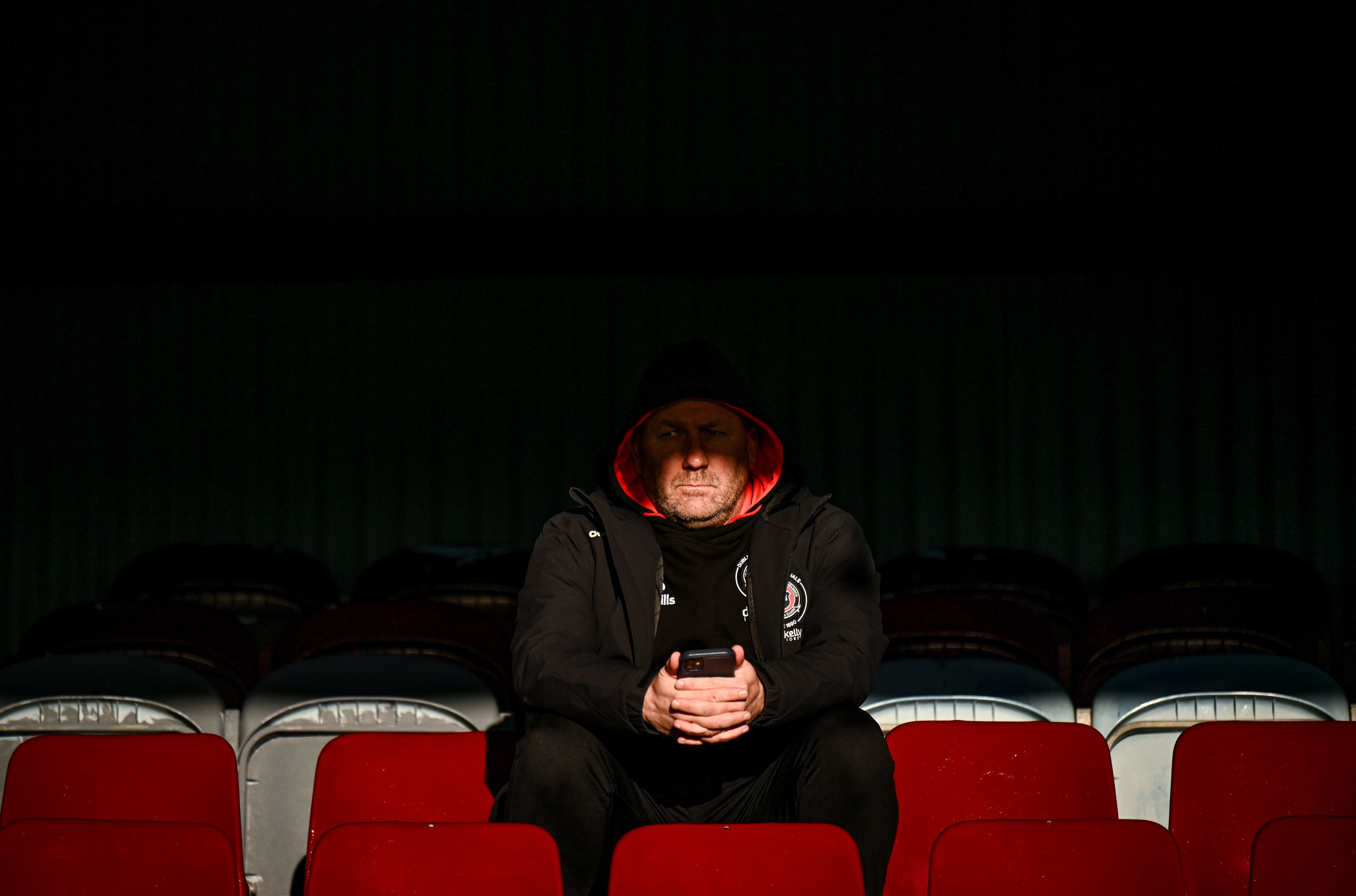
Somewhere along the line he would lose a few matches, lose the dressing-room, lose the supporters, lose the investors and the board and lose his job.
So instead of appointing him as manager of this fictional new club, I appointed him as his county’s first Director of Football and handed him the power to sack the manager - a much safer opportunity with far better job security.
It makes sense when you think about it. At most clubs, the sporting director hires and fires without ever coming under the level of scrutiny from so many sources that affects every manager.
Most Sporting Directors will outlive various managers over the course of their careers. They are closeted from the immediate impact of results, they are protected from dressing room squabbles and some of them will have very little inter-action with their club’s fan base.
The life of a Sporting Director is relatively safe. The life of a manager is in permanent danger.
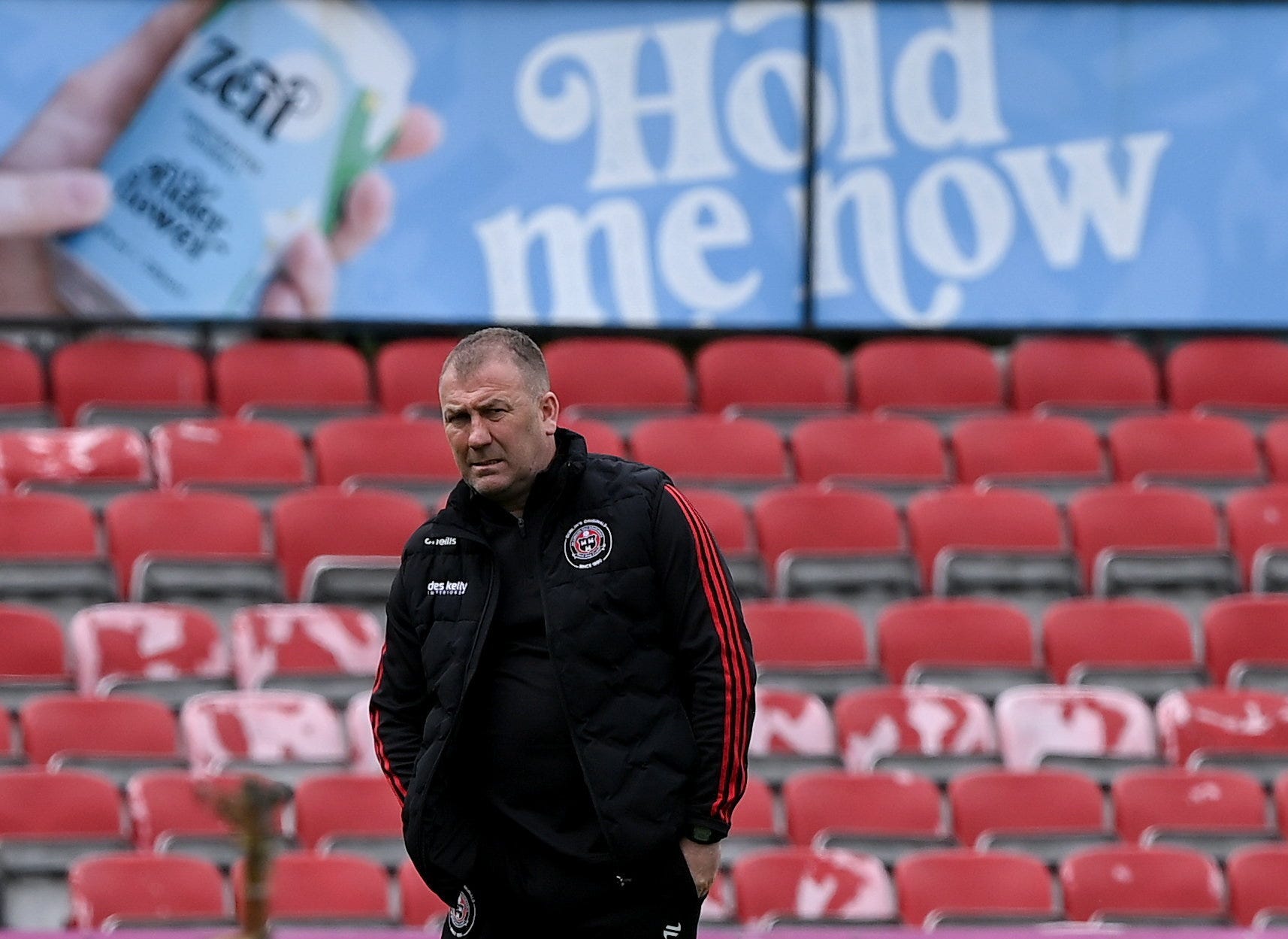
Alan Reynolds will know that much as he prepares to take Bohemians to Dundalk tonight for game 16 of their League of Ireland Premier Division season.
Last weekend, Reynolds was in charge as Bohs drew at home to Derry on the Friday night and at home to Shels on the Bank Holiday Monday.
A point against the Candystripes and a point against the Reds are never points to be sneezed at but that wasn’t much comfort to the Dalymount faithful, some of whom let the world know that they want Rennie out whenever he walked within earshot of the Jodi Stand.
Never mind that Bohs will shortly go into European action and get the chance to annoy Michael O’Leary with airport pints this summer. Never mind that Bohs were top of the league for much of the early part of this season or that Rennie has given Dawson Devoy the freedom to play himself into serious conversations about an Ireland cap.
None of that matters when results go against a manager. They all know that - my friend from that bar and the man in charge of Bohs tonight when the away fans will be only yards behind him at Oriel Park, not the best ground for a visiting manager to run the gauntlet.
Such is the nature of football that the manager’s reign will almost always end in tears. Very few get to leave of their own accord. Managers are never as good as their last result - they’re only as good as their next result as at least one LOI boss will discover again tonight. It is indeed a funny old game.